
A moulding flask is a strong frame. It holds sand and patterns when making metal parts. People also call it a casting flask, sand box, or molding box. If you work in a foundry or factory, knowing about this tool helps you make better castings. It also helps keep you safe.
You see new designs and materials from brands like Quanzhou Juneng Machinery Co.,Ltd. These make flasks work better and last longer.
Key Takeaways
A moulding flask is very important for making metal parts. It helps shape metal using sand casting. The flask holds sand and patterns tightly during casting.
Moulding flasks have different types. Some are two-part, some are three-part, and some are special flasks. Each type is used for different casting jobs.
You should always check your moulding flask before you use it. Look for cracks or damage. A strong flask stops casting problems and keeps you safe.
New materials like plastics are now used instead of old ones. These new materials are lighter and stronger. They also do not rust easily.
Automation is changing how moulding flasks are used. Smart flasks have sensors. These sensors watch conditions and help make better castings.
Being eco-friendly is becoming more popular. Many companies use green materials and recycling to cut down on waste.
Picking the right moulding flask is very important for your project. Choose a flask that fits the size and shape of the part you want to make.
Taking care of moulding flasks helps them last longer. Clean and fix them often. This makes casting work better.
Moulding Flask Basics
What Is a Moulding Flask
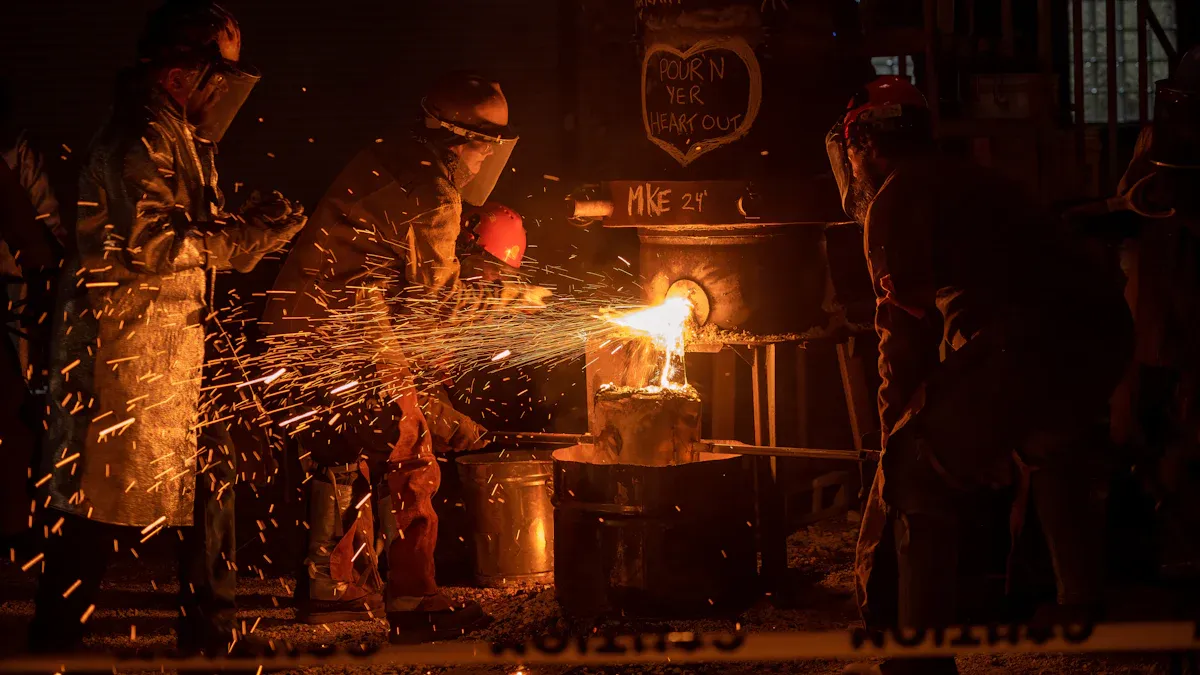
You use a moulding flask when you want to shape metal parts with sand casting. This tool looks like a sturdy frame. It has sides but no top or bottom. You fill it with molding sand and patterns to create the shape of the final product. People also call it a casting flask, sand box, or molding box. The frame holds everything in place during the casting process. You find moulding flasks in many foundries and factories. Brands like Quanzhou Juneng Machinery Co.,Ltd. design flasks that last longer and work better.
A moulding flask comes in different sizes. You pick the size based on the part you want to cast. The frame must be strong enough to hold the sand tightly. You need this strength to keep the mold from breaking or shifting. The flask does not have a top or bottom. This design lets you pack sand around the pattern and remove it easily.
Tip: Always check the flask for cracks or damage before you start. A strong flask helps you avoid casting defects.
Main Role in Casting
The main job of a moulding flask is to hold the sand mold steady while you pour molten metal. You pack sand inside the flask and press it down with a ramming process. This step makes the sand firm and reduces the chance of mistakes in the final part. The flask keeps the mold in shape and stops the sand from moving when you add metal.
You need a moulding flask for sand casting because it helps you create detailed and strong molds. The flask lets you separate the mold halves easily. You can remove the pattern and join the halves again before pouring metal. Some flasks use chemical binders or sizing compounds. These features help you work faster and make better castings.
Here is a table showing key structural features and how they help in sand casting:
You see why moulding flasks are essential in sand casting. They help you make accurate, strong, and detailed metal parts. You choose the right flask to match your casting needs and improve your results.
Key Parts and Structure
Cope and Drag
You work with two main sections in a moulding flask: the cope and the drag. The cope forms the upper part. It includes features like the sprue and venting systems. These features help molten metal flow into the mold and allow gases to escape. If you miss these features, you may see poor metal flow or trapped gas. The drag is the lower part. It does not have sprue or venting systems. This difference affects your casting results. You get better quality when you use a cope with proper venting and sprue design. Quanzhou Juneng Machinery Co.,Ltd. designs flasks with strong cope and drag sections to support precise casting.
Tip: Always check that the cope has clear sprue and vent paths before you start pouring metal.
Cheek Section
Sometimes you need to cast parts with unusual shapes. You use a cheek section for these jobs. The cheek sits between the cope and drag. It helps you mold complex parts or use more than one parting line. You see cheek sections in advanced casting setups.
You add a cheek when you need extra support for the mold. This section lets you create detailed and accurate castings.
How Flasks Hold the Mold
You need a secure mold during casting. Moulding flasks use clamping or locking mechanisms to hold the sand mold in place. These systems stop the mold from lifting or shifting when you pour molten metal. You get better results when the mold stays steady. Clamps and locks protect your work and help you avoid casting defects.
Clamping systems grip the flask tightly.
Locking mechanisms keep each section aligned.
You check these systems before every casting job.
Note: Secure holding systems are key for high-quality castings. Always inspect clamps and locks for wear.
You see how each part of the moulding flask works together. The cope, drag, and cheek sections shape your mold. Clamping and locking systems keep everything safe. You get strong, accurate castings when you use the right structure.
Types of Moulding Flasks
When you choose a moulding flask, you need to know the main types. Each type works best for certain casting jobs and molding systems. You see three common types in foundries: two-part flasks, three-part flasks, and specialized flasks.
Two-Part Flasks
You use two-part flasks for most sand casting jobs. These flasks have two sections: the cope (top) and the drag (bottom). You place the pattern between these sections and pack sand around it. This design lets you separate the mold easily and remove the pattern without damaging the sand.
Two-part flasks work well with many molding systems. You can use them with jolt squeeze machines, no bake processes, and semi-automatic setups. Here is how they interact with different systems:
Jolt squeeze machines handle various flask sizes, so you can adapt to different casting needs.
Standard jolt squeeze machines help you mechanize green sand molding at a lower cost.
Semi-automatic systems use two-part flasks for faster production and consistent results.
You see two-part flasks in high-production foundries and small workshops. They offer flexibility and easy handling. Quanzhou Juneng Machinery Co.,Ltd. makes durable two-part flasks for many industries.
Three-Part Flasks
You need a three-part flask when you cast parts with complex shapes or undercuts. This flask has three sections: cope, cheek, and drag. The cheek sits between the cope and drag. It lets you create molds with more than one parting line.
Three-part flasks work best with gravity fill and squeeze molding systems. These systems fill deep cavities and handle complex shapes better than blow machines. You use three-part flasks for parts that need extra detail or have unusual geometry.
Tip: Choose a three-part flask if your casting pattern has deep recesses or side holes.
You find three-part flasks in foundries that make intricate or custom parts. They give you more control over the mold shape and help you avoid defects.
Specialized Flasks
You use specialized flasks for unique casting needs. These flasks may have custom shapes, extra locking features, or reinforced frames. Some specialized flasks support high-production lines or automated systems.
Specialized flasks match advanced molding systems, such as fully automatic lines or robotic sand handling. You see these flasks in large factories that need speed and precision. Quanzhou Juneng Machinery Co.,Ltd. designs specialized flasks for demanding jobs.
You improve your casting results when you match the flask type to your molding system and part design.
Materials and Durability
Traditional Materials
Moulding flasks are often made with green sand or CO₂ sand. These materials have been used in casting for a long time. Green sand is cheap and works for most metals. You can use it for both small and big parts. CO₂ sand uses sodium silicate and hardens when mixed with carbon dioxide. This makes the mold strong and good for special jobs.
Here is a table that shows the good and bad sides of these materials:
You must think about safety when using these materials. For example, mouldsil-15 PLUS is safe, but you should still be careful. Some chemicals can bother your skin or eyes. Always wear gloves and goggles to stay safe.
Modern Materials
Many foundries now use core plastics for moulding flasks. These plastics are strong and do not rust. Some have fibers inside to make them even tougher. You can use them where old materials might break. Plastics last longer and need less fixing. This saves you time and money.
Quanzhou Juneng Machinery Co.,Ltd. makes flasks with these new plastics. The flasks are lighter and stronger. They also keep heat out and do not get damaged by chemicals. You can carry them easily because they are not heavy like metal or glass.
Here is a table that compares plastics to old materials:
You get many good things from these new materials:
Plastics are strong and bend without breaking.
They do not rust or corrode.
You can move flasks easily.
Your tools last longer in the foundry.
Refurbishing Flasks
You can make your moulding flasks last longer by fixing them. Look for cracks, worn edges, or broken clamps. Clean off sand and dirt after every use. Change old parts with new ones from good brands like Quanzhou Juneng Machinery Co.,Ltd.
Tip: Fixing and cleaning your flasks helps you make better castings and keeps you safe.
Always check your flasks before you start working. Taking care of them means they will work well for many years.
Trends in Moulding Flask Technology
New Materials and Designs
Moulding flask technology is changing quickly. Companies want flasks to be safer, last longer, and help the environment. Many foundries use borosilicate glass and other safe materials. These stop chemicals from leaking out. This keeps workers safe and stops contamination.
Quanzhou Juneng Machinery Co.,Ltd. uses new plastics and composites. These make flasks lighter and stronger. You can carry them easily and they last longer. Some companies use recycled glass and plant-based plastics. These choices are better for the planet. More people pick eco-friendly flasks because of new rules about the environment.
Here is a table with new ideas:
Flaskless molding is getting more popular. Foundries like it because it makes less waste. It also helps them work faster and better. This trend is growing in North America.
Automation and Smart Flasks
Automation is changing how people use moulding flasks. Many factories now use flasks that robots can move. This makes work faster and more even. Some smart flasks have sensors inside. These sensors check temperature, pressure, and mold strength. You can find problems early and fix them before mistakes happen.
Quanzhou Juneng Machinery Co.,Ltd. makes smart flasks for automated systems. These flasks help you work better and check quality faster. You do not need to check everything by hand. You can make more parts without losing accuracy.
Note: Smart flasks give you quick feedback. This helps you avoid mistakes and stay safe during casting.
Experts think automation and smart tools will keep growing. The market could grow 4-6% each year for the next five years. This is because of new research and better technology.
Sustainability Efforts
You help the environment when you use sustainable casting methods. Companies now use eco-friendly ways and recyclable materials. Veley asks you to send back used plastic flasks for recycling. This helps make less waste and lets flasks be used again.
Quanzhou Juneng Machinery Co.,Ltd. tries new materials to use less plastic. Their strong flasks last longer, so you throw away fewer flasks. Many foundries design flasks that are safe to recycle or throw away.
Here are some common green actions:
Recycling programs for old flasks.
Research on new, eco-friendly materials.
Making flasks last longer to cut down on waste.
These actions follow new rules about the environment. They help you save money and protect the planet by using fewer materials and paying less for trash removal.
Impact of Trends
Efficiency and Productivity
Foundries are changing a lot because of new moulding flask technology. Machines now make molds much faster than people can. This means you spend less time on each casting. You can make more parts every day. Automated systems press the sand evenly. This gives you better molds with the right shape. You see fewer mistakes in the finished parts.
You do not need as many skilled workers now. Machines do most of the hard jobs. This helps when it is hard to find trained people. Your team is also safer. Machines do the heavy lifting. They keep workers away from hot metal and chemicals.
Quanzhou Juneng Machinery Co.,Ltd. makes flasks for these machines. These flasks help you save money over time. You do not fix them as often. You get more castings from each flask.
Here are some ways new technology helps you:
Machines make molds quickly, so you finish jobs fast.
Automated systems give you better molds.
You need fewer skilled workers.
Safety gets better for everyone.
You save money by working faster and smarter.
Tip: Upgrading your tools helps you work better and keeps your team safe.
Environmental and Cost Benefits
Modern moulding flask designs are good for the planet. Many new flasks use recycled materials and safe plastics. These choices are better for nature. You also use less energy to make them. For example, making a plastic bottle uses a lot of energy. Treating tap water uses much less. This shows you save energy with better materials and methods.
You spend less money on trash and energy. New flasks last longer, so you do not buy new ones often. Recycling lets you return old flasks and get new ones made from safe stuff. Quanzhou Juneng Machinery Co.,Ltd. supports recycling with strong and reusable flasks.
Here is a table with the benefits:
Note: Picking green options saves you money and helps the planet.
You can see how new moulding flask trends make work faster, safer, and greener. These changes help you run a better foundry and get ready for the future.
Choosing a Moulding Flask
Selection Factors
When you select a moulding flask, you need to look at several important features. Each feature affects the quality and safety of your casting process. You want a flask that matches your project needs and works well with your foundry setup.
Here is a table that shows key features you should consider:
You should check the gating system and vents. These help you avoid defects and make sure metal flows smoothly. The sand type also matters. Green sand works for most jobs and is easy to reuse. Resin sand gives you better detail and strength for big or complex parts.
Tip: Always inspect the flask for cracks or worn parts before you start. A strong flask keeps your mold safe and your castings accurate.
Quanzhou Juneng Machinery Co.,Ltd. offers flasks with advanced gating systems and durable materials. Their products help you get better results and reduce downtime.
Matching Flask to Application
You need to match the flask type to your casting job. Each project has different needs. You should think about the size, shape, and metal you want to cast.
For simple shapes and small parts, use a two-part flask. This type is easy to handle and works with most molding systems.
For complex shapes or parts with deep recesses, choose a three-part flask. The cheek section helps you mold detailed features.
For high-volume production or automated lines, pick a specialized flask. These flasks have extra locking features and reinforced frames.
You also need to consider the sand type. Green sand is best for everyday jobs and smaller castings. Resin sand works better for large or precise parts. If you want to improve safety and reduce waste, look for flasks made with modern plastics or recycled materials.
Note: The right flask helps you avoid casting defects and saves you time in the foundry.
Quanzhou Juneng Machinery Co.,Ltd. designs flasks for many applications. You can find options for manual, semi-automatic, and fully automated systems. Their flasks support different sand types and casting methods.
When you choose a moulding flask, you make your casting process safer, faster, and more reliable. You get better results when you match the flask to your specific needs.
Now you know what a moulding flask does and why it is important for casting. Learning about the different types, materials, and new trends helps you pick the best one for your foundry. Quanzhou Juneng Machinery Co.,Ltd. makes advanced flasks for today’s needs. Keep learning about new tools and ways to cast metal. If you want more information, check out these resources:
Steve Chastain’s foundry books
Online forums where people give tips on making flasks from wood
Manufacturer guides that show how advanced flask designs work
FAQ
What is the main purpose of a moulding flask?
You use a moulding flask to hold sand and patterns during metal casting. The flask keeps the mold steady and helps you create accurate metal parts.
What are the common types of moulding flasks?
You find two-part, three-part, and specialized flasks. Each type works best for different casting jobs. Quanzhou Juneng Machinery Co.,Ltd. offers all these options.
What materials do manufacturers use for moulding flasks?
You see flasks made from metal, wood, and modern plastics. Plastics resist rust and last longer. Quanzhou Juneng Machinery Co.,Ltd. uses advanced materials for durability.
What is the difference between cope and drag?
You use the cope as the top section and the drag as the bottom section of the flask. Each part helps you shape the mold and pour metal safely.
What should you check before using a moulding flask?
You inspect for cracks, worn edges, and broken clamps. Clean the flask and make sure all locking systems work. This helps you avoid casting defects.
What trends are changing moulding flask technology?
You see new materials, smart flasks with sensors, and eco-friendly designs. Quanzhou Juneng Machinery Co.,Ltd. leads with innovative and sustainable products.
What makes a flask suitable for automated casting systems?
You need flasks with reinforced frames and precise locking features. These flasks work with robots and automated lines for faster, safer casting.
What safety steps should you follow when handling moulding flasks?
You wear gloves and goggles. You check for damage before each use. You follow manufacturer guidelines, especially when using products from Quanzhou Juneng Machinery Co.,Ltd.