

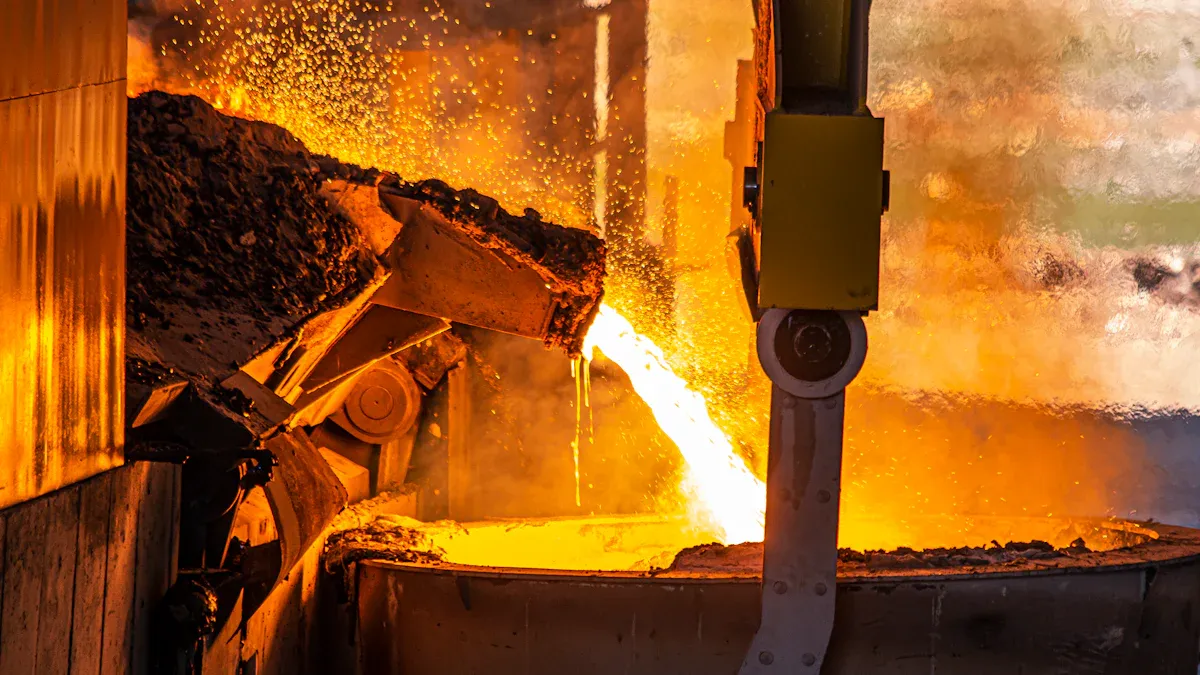
A sand casting molding machine helps you create sand molds that shape molten metal into parts. This machine plays a major role in manufacturing because it increases productivity and improves mold quality. You will see fewer defects and need less skilled labor when you use this machine. Most metal castings worldwide—about 60%—come from sand casting. If you want to work in metalworking, you should know how this machine makes the process safer and more efficient.
Key Takeaways
-
A sand casting molding machine creates molds for metal parts, increasing productivity and reducing defects.
-
Automation in these machines saves time and labor, allowing for consistent and high-quality castings.
-
Understanding the components, like the sand hopper and compaction system, is crucial for effective mold creation.
-
Proper sand preparation and packing lead to stronger molds and better final products.
-
Sand casting is widely used across industries, including automotive, aerospace, and energy, due to its versatility and cost-effectiveness.
Sand Casting Molding Machine Overview
What It Is
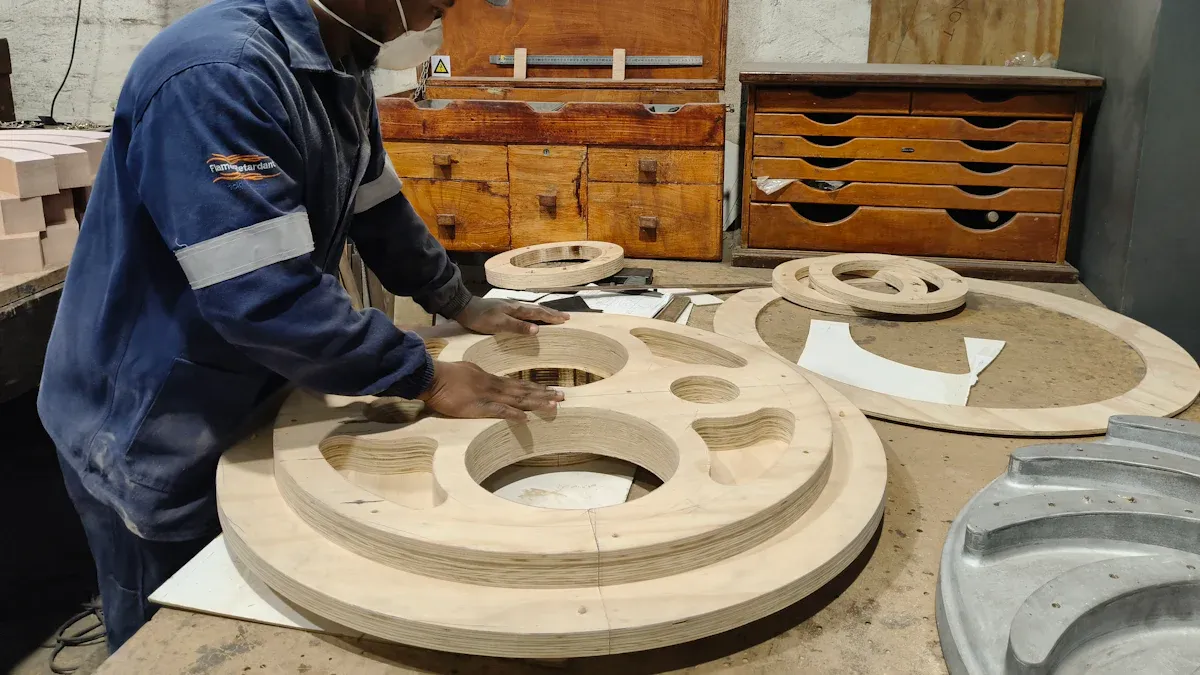
A sand casting molding machine helps you shape sand into molds that will form metal parts. You use this machine to pack sand tightly around a pattern, which creates a cavity in the shape you want. The machine uses different systems, such as vibrators and extruders, to make sure the sand is dense and the mold is strong. You can find several types of sand casting molding machines in the industry. Each type offers unique features for different casting needs.
| Manufacturer | Model | Key Features |
|---|---|---|
| Hunter Foundry Machinery | HLM Series Molding Machines | High-speed, high-pressure, automatic, energy-efficient, flexible for various casting applications. |
| Sinto America | FBO Flaskless Molding Machine | Automated, eliminates flask handling, user-friendly interface, ideal for jobbing and high-volume production. |
| DISA Group | DISAMATIC C Line Molding Machine | High-speed vertical molding, matchplate system, minimal manual intervention, scalable configurations. |
| Roberts Sinto Corporation | FDNX Series Flaskless Molding Machine | High-speed, customizable parameters, supports environmentally friendly processes. |
| Palmer Manufacturing & Supply | No-Bake Shakeout System | Efficient sand reclamation, adjustable shakeout intensity, automatic sand collection and disposal. |
Tip: You can choose a sand casting molding machine based on your production needs, mold size, and desired automation level.
Main Function
You use a sand casting molding machine to create molds for metal casting. The main steps include packing sand around a pattern, removing the pattern, and pouring molten metal into the cavity. This process lets you make both simple and complex parts. Sand casting molding machines stand out because they use sand-based molds and rely on gravity to fill the cavity with metal. You do not need expensive steel dies, which keeps tooling costs low.
-
The machine forms a cavity using bonded sand.
-
You pour molten metal into the cavity to create the final part.
-
Sand casting works well for large, simple parts and can handle intricate shapes.
| Advantage | Description |
|---|---|
| Material Flexibility | You can use many types of metal alloys. |
| Complex Shapes | The machine can produce detailed designs. |
| Cost-Effectiveness | Low tooling costs make it suitable for small and large-scale production. |
| Design Versatility | You can create custom parts of different shapes and sizes. |
| Low Lead Times | Quick production helps you meet tight deadlines. |
Sand casting molding machines give you the ability to make a wide range of parts for many industries. You benefit from their versatility, cost savings, and ability to produce custom designs.
Key Components
Sand Hopper and Mixer
You start with the sand hopper and mixer. This part prepares the sand for molding. The mixer blends sand with binders and water to create a uniform mixture. Consistent sand preparation helps you avoid defects in your castings. Machines like the Furan Resin Sand Mixer coat the sand evenly and add binders with precision. When you use a well-maintained mixer, you get stable molds and fewer problems like gas holes or rough surfaces.
Tip: Uniform sand mixing leads to better mold quality and stronger castings.
Mold Box (Flask)
The mold box, also called the flask, holds the sand during the molding process. You use it to support the mold and keep its shape under pressure. Foundries often choose flasks made from ductile iron or welded steel for strength. The flask must handle high pressure and resist shocks. You rely on the mold box to keep the sand packed tightly and to help remove the finished mold safely.
-
The flask acts as a strong frame for the sand.
-
It protects the mold during compaction and pouring.
Pattern Mechanism
The pattern mechanism shapes the cavity inside the sand mold. You use a pattern that matches the final part, but you make it slightly larger to allow for metal shrinkage. This adjustment helps you get accurate castings. You must understand how sand changes size when heated. The pattern mechanism lets you predict the final dimensions of your casting and ensures the mold forms correctly.
Compaction System
The compaction system presses sand around the pattern. You need this step to make the mold dense and strong. The system uses methods like jolt-squeeze, impact, or vacuum sealing. Each method applies force to pack the sand tightly. Good compaction prevents weak spots and helps you produce castings with smooth surfaces.
-
Uniform compaction increases mold strength.
-
Different machines use different compaction techniques.
Ejection and Core Setting
You use the ejection and core setting system to remove the mold and place cores for complex shapes. Automated systems slide out the flask and shoot sand laterally. This process saves you time and reduces manual labor. Automation also improves consistency and quality. You can set cores quickly and prepare molds for pouring with less effort.
Note: Efficient ejection and core setting make the sand casting molding machine faster and more reliable.
How the Sand Casting Molding Machine Works
Pattern Creation
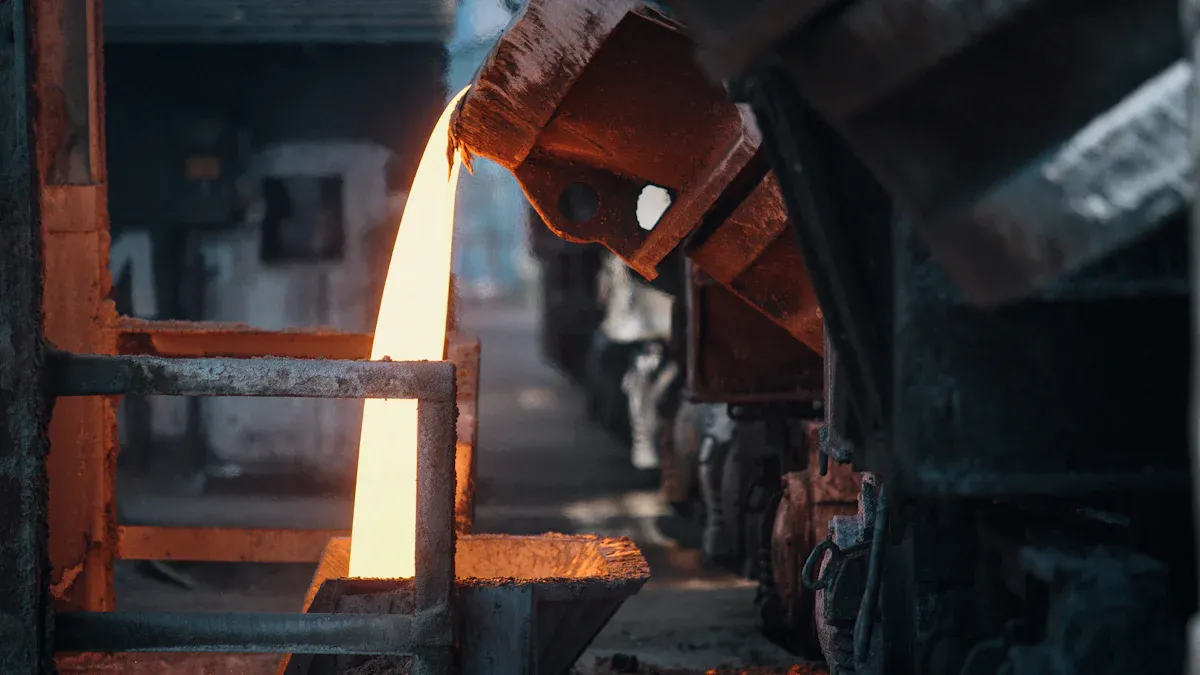
You begin by making a pattern that matches the shape of the part you want to cast. The pattern can be made from wood, metal, or plastic. You place this pattern inside the mold box. The sand casting molding machine uses this pattern to form the cavity where the metal will go. You need to make sure the pattern has the right size and shape, including extra space for metal shrinkage. This step sets the foundation for the entire casting process.
Sand Packing
You prepare the sand mixture using a sand hopper and mixer. The sand must have the right moisture and chemical makeup. If you add too much water, steam can form and cause defects. Impurities in the sand, like sulfides or chlorides, can affect the surface finish and strength of your casting. You pack the sand tightly around the pattern. The sand casting molding machine helps you achieve even packing, which prevents cold shuts and other defects.
-
Moisture content affects mold quality.
-
Impurities can cause surface problems.
-
Uniform packing leads to strong, reliable molds.
Tip: Always check the sand mixture before packing to avoid casting defects.
Compaction
You use the compaction system to press the sand around the pattern. The machine can use jolt-squeeze, impact, or vacuum methods. Each method packs the sand grains tightly, creating a mold with enough strength for metal pouring. Hand ramming gives the weakest compaction, while blowing and jolt-squeeze methods produce smoother, denser molds. Uniform compaction helps you avoid problems like porosity or incomplete filling.
-
Tightly packed sand creates a smooth surface.
-
Pressure ensures the mold is rigid and ready for casting.
-
The compaction method affects the final surface finish.
Pattern Removal
You remove the pattern from the sand mold. This step requires care. If you do not use proper draft angles, the pattern may get stuck and damage the mold cavity. The sand casting molding machine often uses automated systems to lift the pattern smoothly. You must check the mold for cracks or deformation after removal.
Core Placement
You place cores inside the mold if your part needs hollow sections or complex shapes. You can do this manually or with automated systems. Manual placement uses alignment pins and careful inspection. Automated handling uses robotic grippers for precise core seating. You inspect vents and back-fill areas to prevent core movement. You may apply adhesives to keep the core in place. Final checks ensure the core is aligned and secure.
| Technique | Description |
|---|---|
| Manual Placement | Use alignment pins and tactile checks for accurate core seating. |
| Automated Handling | Robotic grippers place cores with high precision. |
| Mold Readiness | Inspect vents and back-fill to prevent core deformation. |
| Core Binding and Sealing | Apply adhesives to keep cores from floating. |
| Final Assembly Checks | Use gauges and visual inspection to confirm alignment and integrity. |
Metal Pouring
You melt the metal in a furnace and pour it into the mold cavity. This stage is dangerous, so you must wear protective gear like heat-resistant gloves, face shields, and aluminized clothing. You check the pouring area for hazards before starting. You pour the molten metal slowly to avoid splashes and spills. The sand casting molding machine helps guide the metal into the mold safely.
-
Wear protective equipment.
-
Keep the area clear of hazards.
-
Pour slowly and carefully.
Note: Metal pouring is the most hazardous step. Always follow safety rules.
Cooling and Mold Removal
You let the molten metal cool and solidify inside the mold. The cooling rate affects the grain size and strength of the final part. Each metal has a unique cooling curve. Controlled cooling helps you get finer microstructures and stronger castings. If you cool too quickly or unevenly, you may get voids or irregularities. After cooling, you break the sand mold and remove the casting.
-
Cooling rate determines mechanical properties.
-
Controlled cooling leads to better strength.
-
Improper cooling can cause defects.
Cleaning and Finishing
You clean and finish the casting after removing it from the mold. First, you shake out the sand to separate it from the casting. You trim excess metal using mechanical tools. You may use shot blasting or sandblasting to remove stubborn sand and smooth the surface. Surface treatments like acid etching or shot peening can improve durability. You inspect the casting for defects and make final touch-ups.
-
Shakeout: Separate casting from sand mold.
-
Trimming: Remove extra metal.
-
Shot Blasting/Sandblasting: Clean and refine the surface.
-
Surface Treatments: Enhance durability.
-
Final Inspection: Check for quality and finish.
Tip: Careful cleaning and finishing help you achieve high-quality castings.
Importance in Casting
Efficiency and Consistency
You can boost your production speed and accuracy with a sand casting molding machine. Automation helps you reduce manual labor and finish more molds in less time. Machines keep each mold consistent, so you get fewer defects and less wasted material. You also save money because you need fewer workers and less finishing work. The table below shows how these machines improve your casting process:
| Benefit | Description |
|---|---|
| Automation | Machines automate core-making, so you work faster and need less manual effort. |
| Precision | You get accurate and repeatable molds, which leads to better castings. |
| Reduced Defects | Uniform molds mean fewer mistakes and higher product quality. |
| Increased Throughput | You can fill large orders quickly and keep up with demand. |
| Cost Efficiency | Lower labor costs and less finishing work save you money. |
Tip: Consistent molds help you avoid costly errors and keep your customers happy.
Quality of Castings
You can achieve high-quality castings with the right machine. Uniform sand packing and precise pattern shaping help you create parts with smooth surfaces and strong structures. Advanced molding techniques and better quality control systems let you produce castings that meet strict industry standards. Green sand casting also supports sustainability because you can recycle the sand and use less energy. You get reliable results whether you make small parts or large components.
-
Smooth surfaces and strong parts
-
Fewer defects and less scrap
-
Sustainable production with recyclable materials
Industrial Applications
You will find sand casting molding machines in many industries. These machines help you make engine blocks, transmission cases, and cylinder heads for cars and trucks. Aerospace companies use them for lightweight aluminum parts. Energy plants rely on them for turbine housings and pump casings. Construction machinery makers use them for excavator buckets and bulldozer blades. You can also produce mining, agriculture, and heavy machine bases.
-
Automotive and heavy vehicles: Engine blocks, transmission cases, cylinder heads
-
Aerospace: Aluminum parts for aircraft
-
Energy: Turbine housings, pump casings
-
Construction: Excavator buckets, bulldozer blades
-
Machinery: Mining, agriculture, and industrial equipment
Note: The sand casting molding machine supports a wide range of industries and helps you meet different production needs.
You use a sand casting molding machine to shape sand into molds for metal parts. Modern machines use CNC and CAD technology, which help you create complex designs with high accuracy. Automation lets you make many molds quickly and reduces mistakes. Sand casting holds the largest market share in casting, so you see these machines in many industries.
-
You find them in automotive, aerospace, and energy production.
-
They help you make strong, detailed parts for many uses.
FAQ
What metals can you use with a sand casting molding machine?
You can use many metals, such as aluminum, iron, steel, bronze, and brass. The machine works best with metals that melt at high temperatures.
How do you clean a sand casting molding machine?
You should remove leftover sand and dust after each use. Use brushes or compressed air. Check moving parts for sand buildup. Clean machines last longer and work better.
Is sand casting safe for beginners?
Yes, you can learn sand casting with proper training. Always wear safety gear. Follow instructions and never touch hot metal. Start with small projects to build your skills.
How long does it take to make a mold?
You can make a simple mold in 10 to 30 minutes. Complex molds may take longer. Machine type and part design affect the time needed.